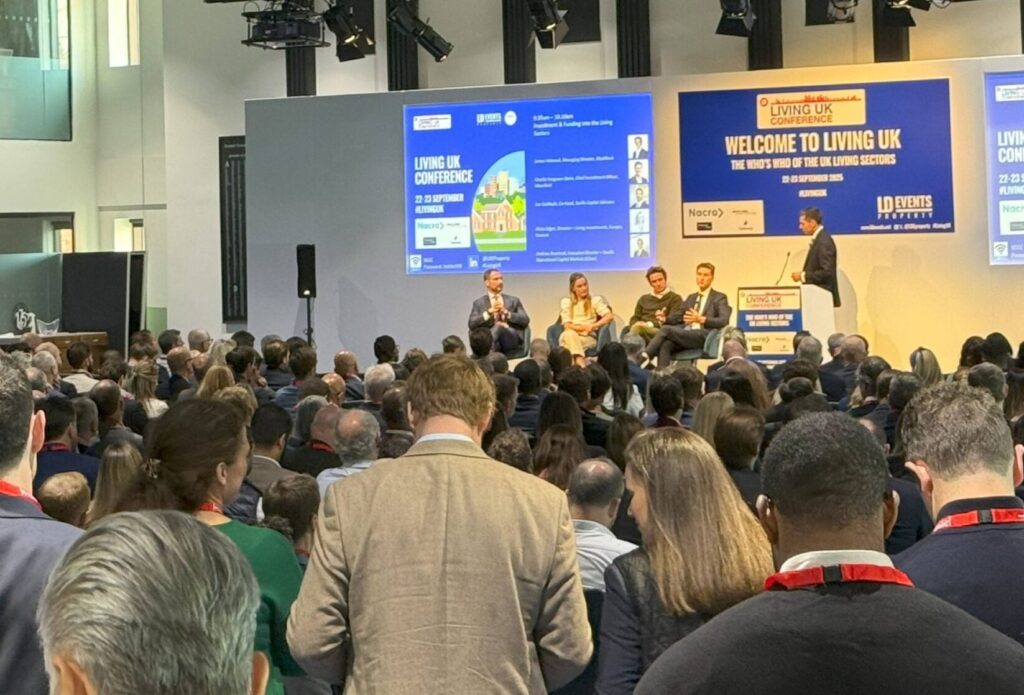
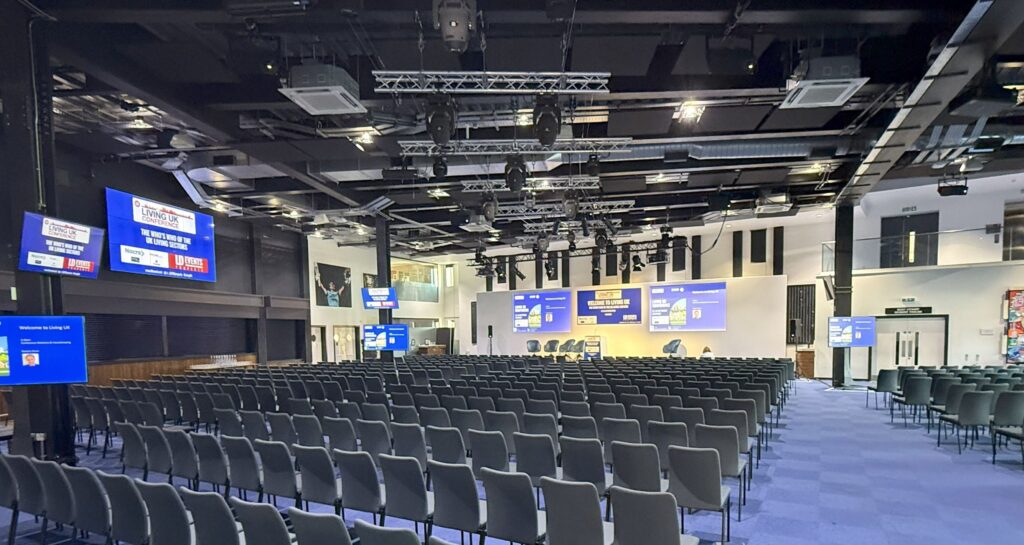
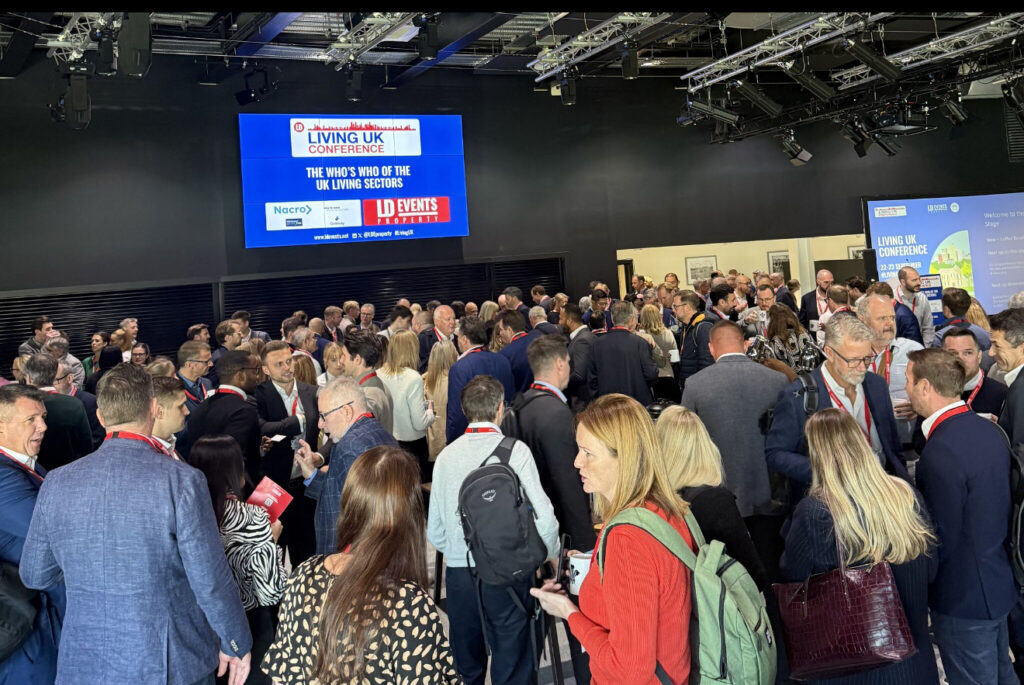
Conference Programme
Tuesday 1st December
8.30am – Breakfast, Networking and Registration at the One Basinghall Conference Centre, London
9.30am – Start of the main conference programme
1.00pm – Networking Lunch Session for speakers & attendees
2.00pm – Conference programme continues
4.20pm – Conference programme close
4.30pm – BTR UK Christmas Drinks Reception
Full Agenda Content
8.30am — Arrival and networking breakfast
9.25am — Welcome and introduction from the Chair
Where has UK BTR reached in 2026—and what must change to restart delivery in 2027?
Focus Session New Prime Minister New Housing Settlement
What does the new Prime Minister’s approach mean for housing supply, institutional capital and the professional rental sector?
Six months after the first major Renters’ Rights reforms took effect, what has changed in leasing, rent reviews, possession, arrears and resident communications?
What evidence is emerging on landlord exits, rental supply and the role of professional operators?
Which next-phase measures—the PRS database, ombudsman and Decent Homes Standard—need the most operational preparation?
What should the sector ask of the October Budget on tax, planning, infrastructure and viability?
How should BTR demonstrate better consumer outcomes while retaining investability and operational flexibility?
Detailed Analysis Session The UK Housing and Rental Market Outlook for 2027
Has the rental boom ended, or merely normalised—and how do the answers differ by city, income band and household type?
How are wages, rents, mortgage costs, migration and first-time-buyer affordability changing tenant demand?
Where is affordability now constraining occupancy, renewal rates and rental growth?
Which markets have the strongest depth of demand for multifamily, single-family rental and co-living?
What does the fall in new BTR starts imply for supply, rents and investment performance from 2027 to 2030?
What leading indicators should investors and operators watch over the next 12 months?
Detailed Analysis Session AI in BTR From Experiments to Operating Advantage
Where can AI create measurable value now: investment, site selection, underwriting, design, procurement, leasing, maintenance, energy or resident service?
Which use cases can improve net operating income without degrading the human experience?
Can predictive maintenance and energy optimisation move from dashboards to trusted automated decisions?
How should operators govern resident data, automated decisions, bias, cybersecurity and vendor lock-in?
What data foundation and operating model are required before generative or agentic AI can be deployed safely at portfolio scale?
What should every BTR board approve, prohibit and measure during the next 12 months?
National Housing Bank and Accelerating BTR Delivery
What role will the National Housing Bank play in accelerating delivery of multifamily and single-family BTR?
How will public investment unlock stalled schemes and attract institutional capital?
Which locations, rental products and investment structures will the Bank prioritise?
What must developers and operators demonstrate to secure its backing?
What comes next following the Bank’s investments with Starlight and Aviva?
Questions and answers
11.00am — Coffee and networking break
Detailed Analysis Session Co Living and the Changing Rental Customer
Who now chooses co-living, what problem are they solving and what can they afford?
Where does co-living complement rather than cannibalise PBSA and multifamily?
How do length of stay, churn, community, all-inclusive pricing and operating intensity affect performance?
Which planning definitions and space standards help or hinder delivery?
What evidence would persuade mainstream investors that the sector can scale beyond early adopters?
Detailed Analysis Session Investment and Transactions Where Capital Is Moving
Why has transaction liquidity strengthened while development starts have fallen so sharply?
How much 2026 activity reflects recapitalisation and trading of stabilised assets rather than net-new supply?
Where is pricing clearing for operational multifamily, forward funding and single-family portfolios?
Which structures can bridge the viability gap: development management, preferred equity, joint ventures, public land or guarantees?
How are debt terms, construction risk and exit assumptions changing underwriting?
What will unlock genuine development volume in 2027?
Questions and answers
Discussion Panel Investment in UK BTR
Is 2026’s stronger investment market a durable reopening—or a small number of exceptional portfolio trades?
Why is capital willing to buy completed stock but reluctant to take planning, construction and lease-up risk?
Where do current yields, debt costs and rental-growth assumptions allow development to work without heroic underwriting?
Has single-family rental permanently taken a larger share of institutional allocations, or will multifamily regain momentum?
How should investors price Renters’ Rights implementation, building safety, net-zero capex and reputational risk?
What is the investable route to mid-market and affordable rents?
Which partnerships with housebuilders, local authorities and housing associations can provide repeatable scale?
What would make each panellist commit materially more capital to UK rental housing in 2027?
1.00pm — Networking lunch
Focus Session Building Safety After the Gateway 2 Reset
Have approval times and consistency improved—and what evidence should the market use to judge progress?
What distinguishes applications that move quickly from those that cycle through requests for information?
How should sponsors allocate design responsibility, change control and contingency before submission?
Can phased approvals improve delivery without weakening safety or accountability?
What must asset owners capture now to make Gateway 3, occupation and the golden thread work in practice?
Focus Session – Designing the Viable Low Carbon Rental Product
What can design remove—not add—to lower capital cost, operating cost and embodied carbon?
How should amenity, apartment and back-of-house space respond to affordability and new patterns of work and household formation?
Which lessons from first-generation BTR should now be designed out?
How can design information be made Gateway-ready earlier without freezing useful innovation?
What must a 2027 scheme include to remain adaptable, safe and attractive in 2037?
Questions and answers
Focus Panel Management and Operations From Rent Growth to NOI Discipline
With rental growth normalising, which operating levers can protect net operating income without hollowing out service?
What do comparable cost lines reveal across multifamily and single-family rental: payroll, utilities, repairs, insurance, technology and bad debt?
How are periodic tenancies changing renewals, notice patterns, arrears workflows and revenue forecasting?
Which amenities earn their space and lifecycle cost—and which should be repurposed?
Where has automation genuinely reduced cost or response time, and where has it shifted work or frustrated residents?
How should operators measure resident trust, complaints, safety culture and community outcomes alongside occupancy and NOI?
What capabilities must be in-house, and what can be outsourced without losing accountability?
What operational data should owners require monthly across every asset and operator?
Focus Panel The Next Chapter for Multifamily and BTR
Can urban multifamily restart at scale while build costs, Gateway approvals and affordability remain binding?
What will replace the amenity arms race as the next source of differentiation?
How should first-generation assets be repriced, retrofitted and repositioned?
Can flexible, mixed-tenure neighbourhoods widen the customer base without creating operational complexity?
What role should BTR play in town-centre renewal and major regeneration?
Where can standardisation lower cost—and where must product remain locally specific?
What does a credible route to 30,000 annual BTR completions require from industry and government?
What will the best UK multifamily platform look like by 2030?
Focus Panel Single Family Rental at Scale
After single-family rental became the largest BTR investment segment, what must happen next for delivery to match ambition?
Which locations, house types and price points have produced the most resilient demand and lowest churn?
How do dispersed-site maintenance, landscaping, defects, utilities and customer service change the operating model?
Can partnerships with volume housebuilders remain attractive when the for-sale market recovers?
How should investors underwrite portfolio concentration, bulk acquisitions, planning mix and long-term capex?
What does family affordability mean in practice, and how should rent-setting respond?
Can SFR deliver genuine place stewardship rather than an aggregation of units?
What evidence would make single-family rental a permanent core allocation rather than a cyclical opportunity?
Closing remarks from the Chair
4.20pm — Close of conference and start of the BTR UK Christmas networking drinks reception
Event Sponsors



Conference Partner